विल्वमङ्गलम्
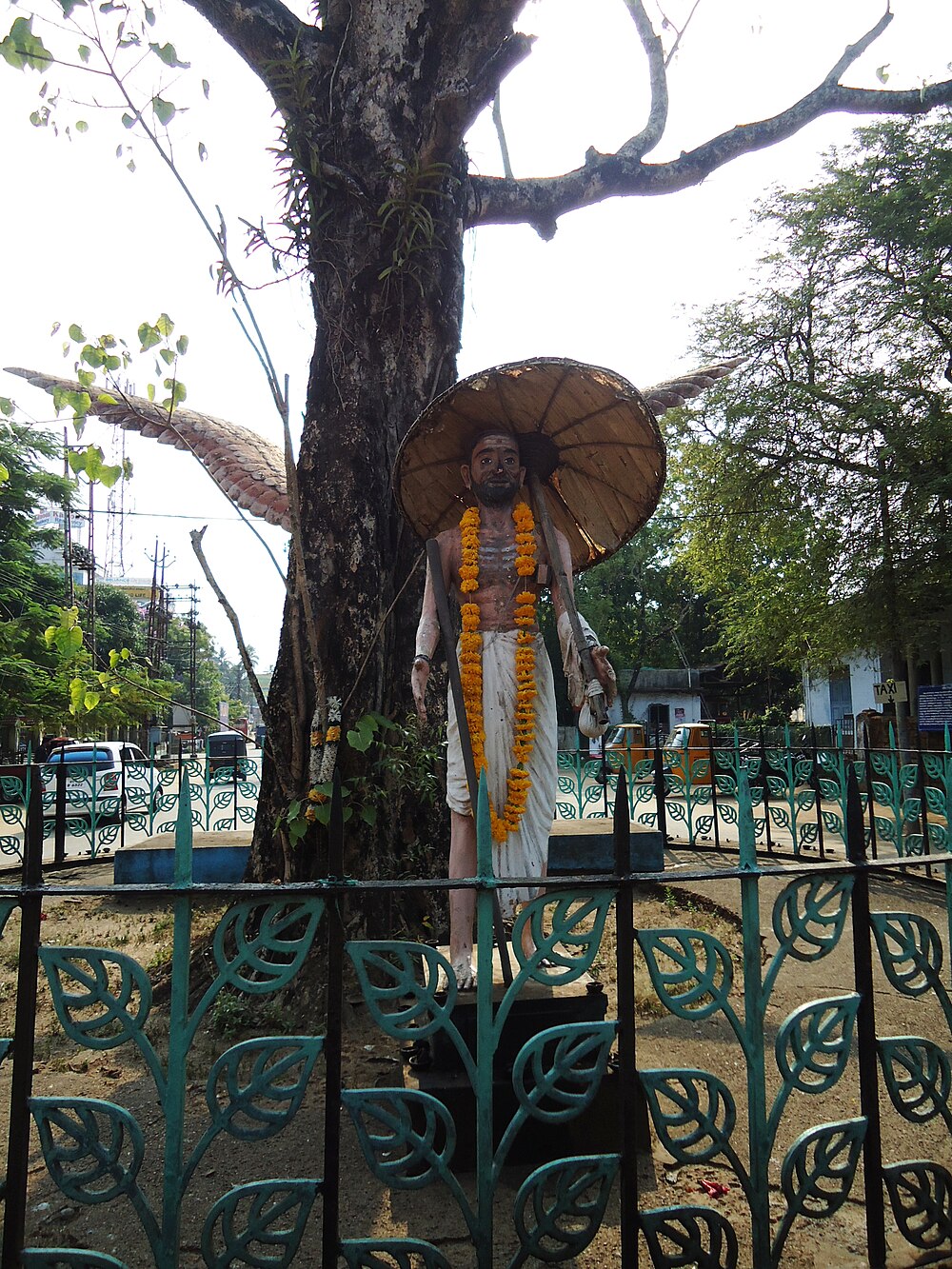
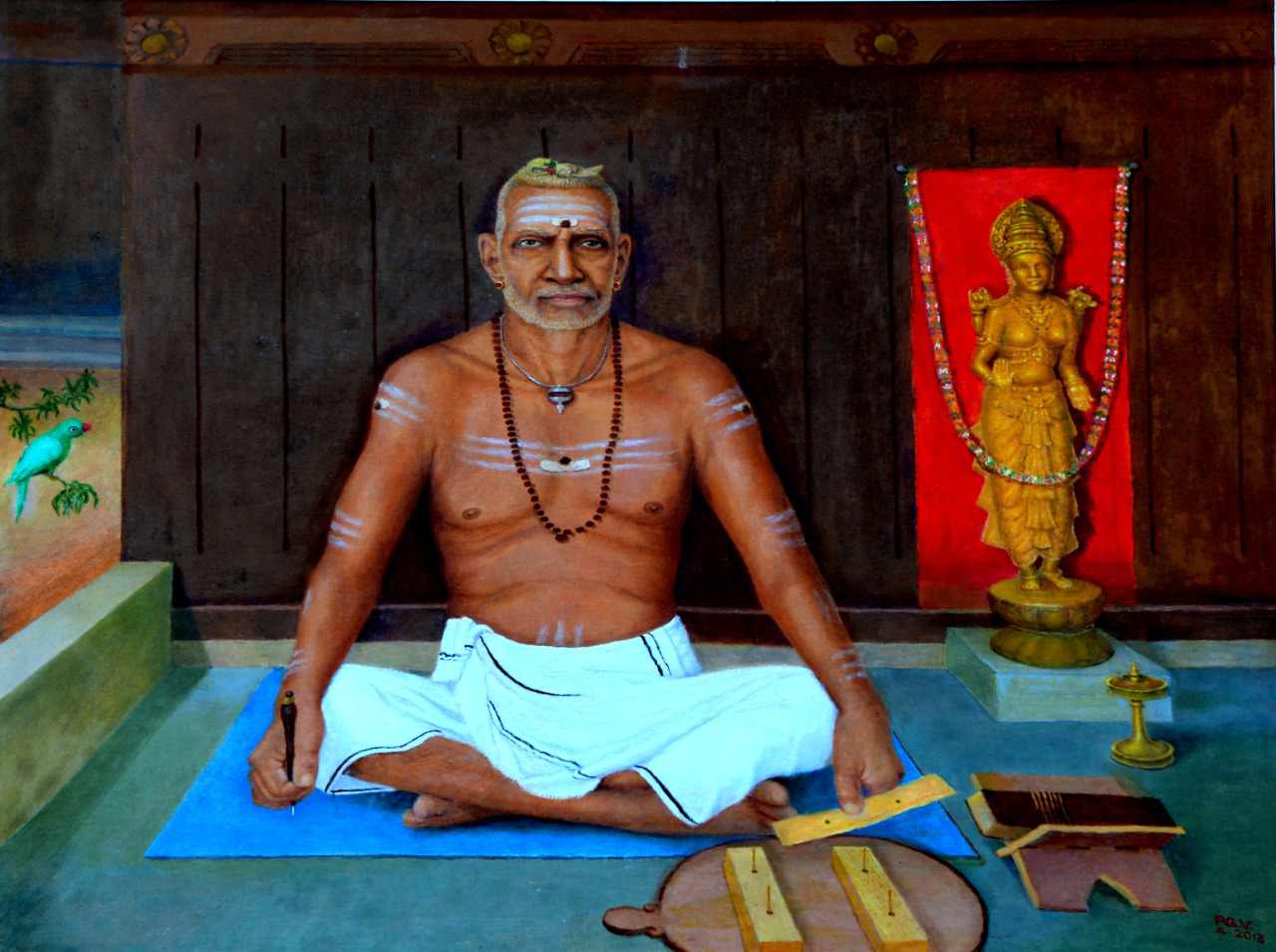
Vilwamaṅgalam Swāmiyār
Līlāśuka, the parrot of the Lord's līlā
traditionally placed before the 16th c.
The yogī who saw the boy climb down from the Elañji tree.
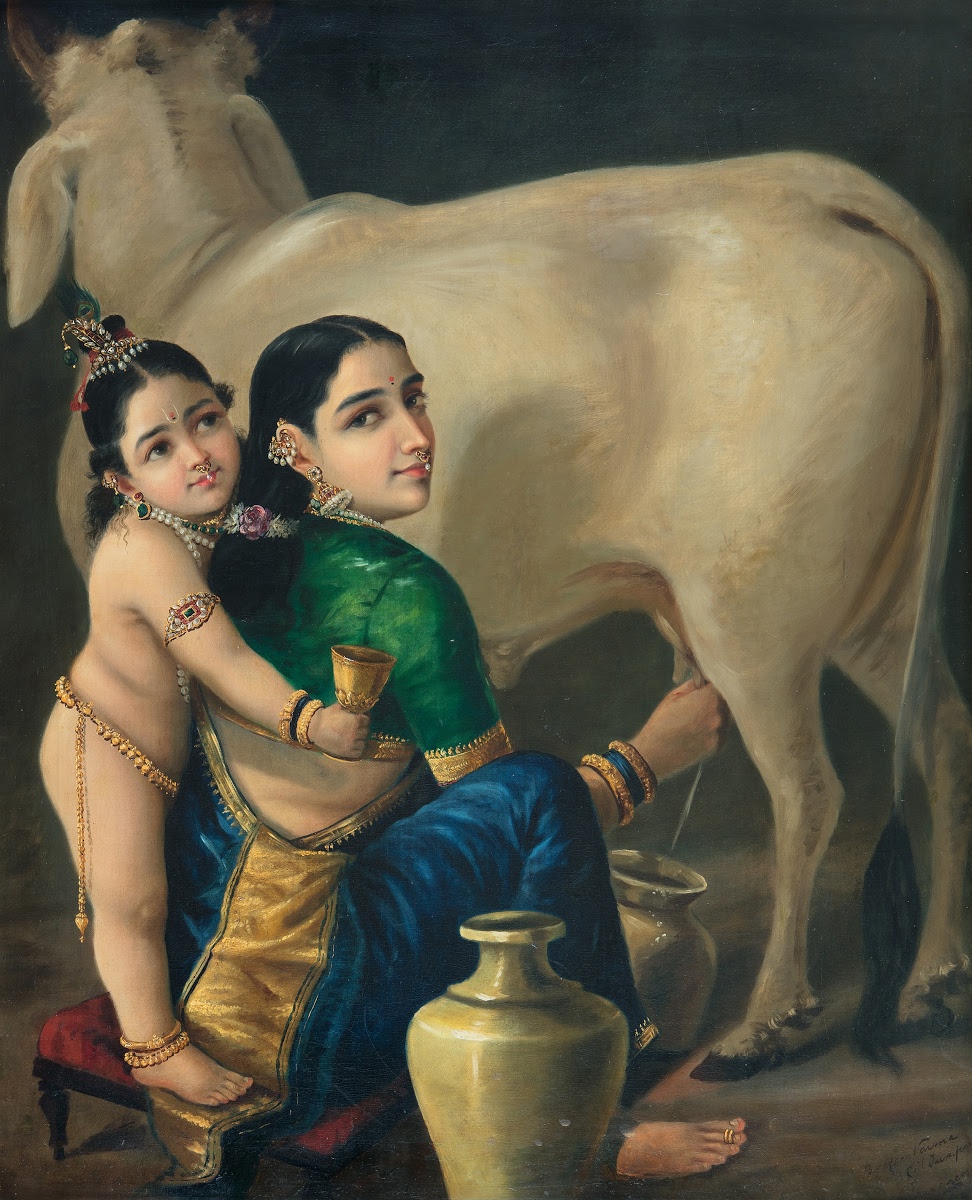
“Where were you? I was at Kurūramma's house. She put a cooking pot over my head to stop me being naughty.”
He had performed immense austerities. By the time he came to Guruvāyur, his severe yoga had melted into a need for simple companionship. He needed a friend more than he needed a god.
The Need
He was a siddha-yogī of formidable accomplishment. The kṣetra-tradition holds him as the same poet who later signed his Sanskrit verses Līlāśuka. He came to Guruvāyur and would not leave.
The Response
Every morning, before the doors of the śrīkōvil were opened, a small boy climbed down from the Elañji tree in the courtyard and ran inside. Vilwamaṅgalam was the only one who saw him. He was not surprised by it; he was fond of him. He would scold him: come, come, the priests are waiting, don't make them late.
The Teaching
One morning the boy did not come. When he finally arrived, he was streaked with ash. Where were you, the swāmiyār asked. I was at Kurūramma's house, the boy said. She put a cooking pot over my head to stop me being naughty. Vilwamaṅgalam went straight to Kurūramma's house and asked her: did you put a pot over a child's head this morning. She said yes, my Unni was running everywhere, I had to. Is the pot still there. She said yes, in the kitchen. He went and did pūjā to the pot. The Lord here is catchable. He plays where he is loved.
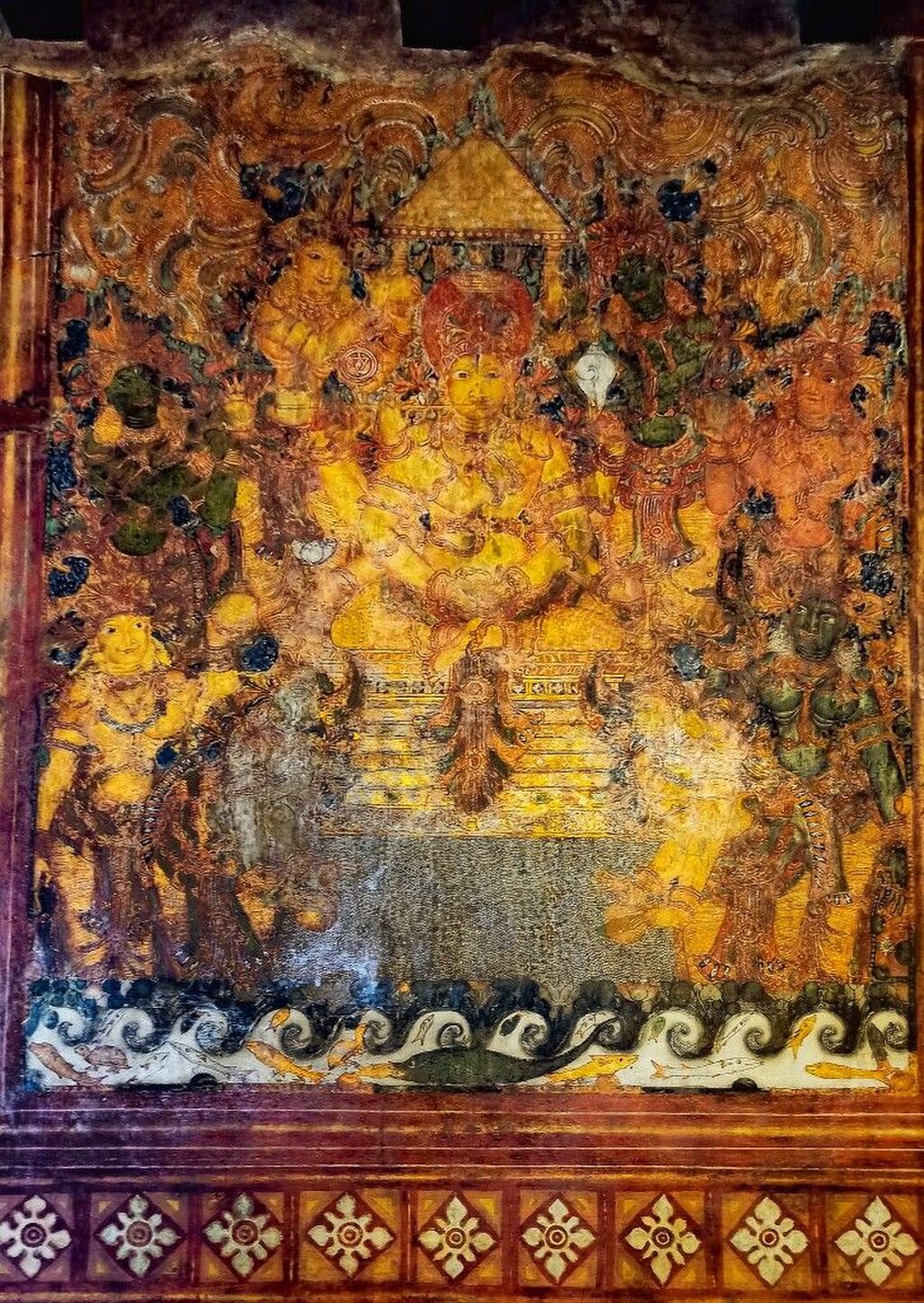
The Sanskrit master who taught Guruvāyur how to read its own murti through the eyes of a gopi. Three chapters of pure stotra, each verse independently complete, the whole book strung like beads.
Śrī Kṛṣṇa-karṇāmṛtam
SanskritThree āśvāsas, 327 verses (110 + 109 + 108). Each verse an autonomous lyric. Mādhurya-rasa throughout. The hallmark text.
Govinda-dāmodara-stotram (attributed)
SanskritA chain of name-recitation verses, beloved across South India. Attribution to Līlāśuka traditional.
श्रीकृष्णकर्णामृतम्
Śrī Kṛṣṇa-karṇāmṛtam
Structure
- ·Three āśvāsas (chapters), 327 verses total.
- ·Each verse is independent, self-contained, complete in itself.
- ·No narrative arc, no character, no progression. The book is a string of beads.
Themes
- ·The two stages of Kṛṣṇa the Bhāgavata lingers on most lovingly: bāla-līlā and yauvana-līlā.
- ·Mādhurya-rasa: the sweet, erotic-tender mode. The poet reads as a gopi, sometimes as Rādhā herself, sometimes as a witnessing sakhī.
- ·Brahman is reachable through beauty. Not through analysis, not through austerity, but through the slow, patient surrender of the senses to a form that is impossibly lovable.
A Verse
Glory to my preceptor, Cintāmaṇi.
Glory to the wise master Somagiri.
And glory to my teacher of teachers,
the Lord with the peacock plume on his crown.
The opening verse. The poet names his human gurus first, then names Kṛṣṇa as the śikṣā-guru, the teacher whose teaching is direct, given through darśan, not through words.
Says Līlāśuka
The Karṇāmṛtam is the Guruvāyur tradition's standing answer to the rationalist question: why a form at all? Because, the book says, this form is what the gopis saw, and look how they fared. We are not in the business of ascending to Brahman. We are in the business of letting Brahman descend into our seeing, again and again, until we have no more capacity to look at anything else.
He came to Vilwamaṅgalam as a mischievous boy in the elañji tree.