कुरूरम्मा
Kurūramma
The mother of Unni
1570 to 1640
The widow who asked for a son and got one.
“I want you to be my son. I want you not to leave me as you left Yaśodā.”
She did not want liberation. She wanted a child who would never abandon her. She got exactly what she asked for, and the kṣetra has been afraid of her ever since.
The Need
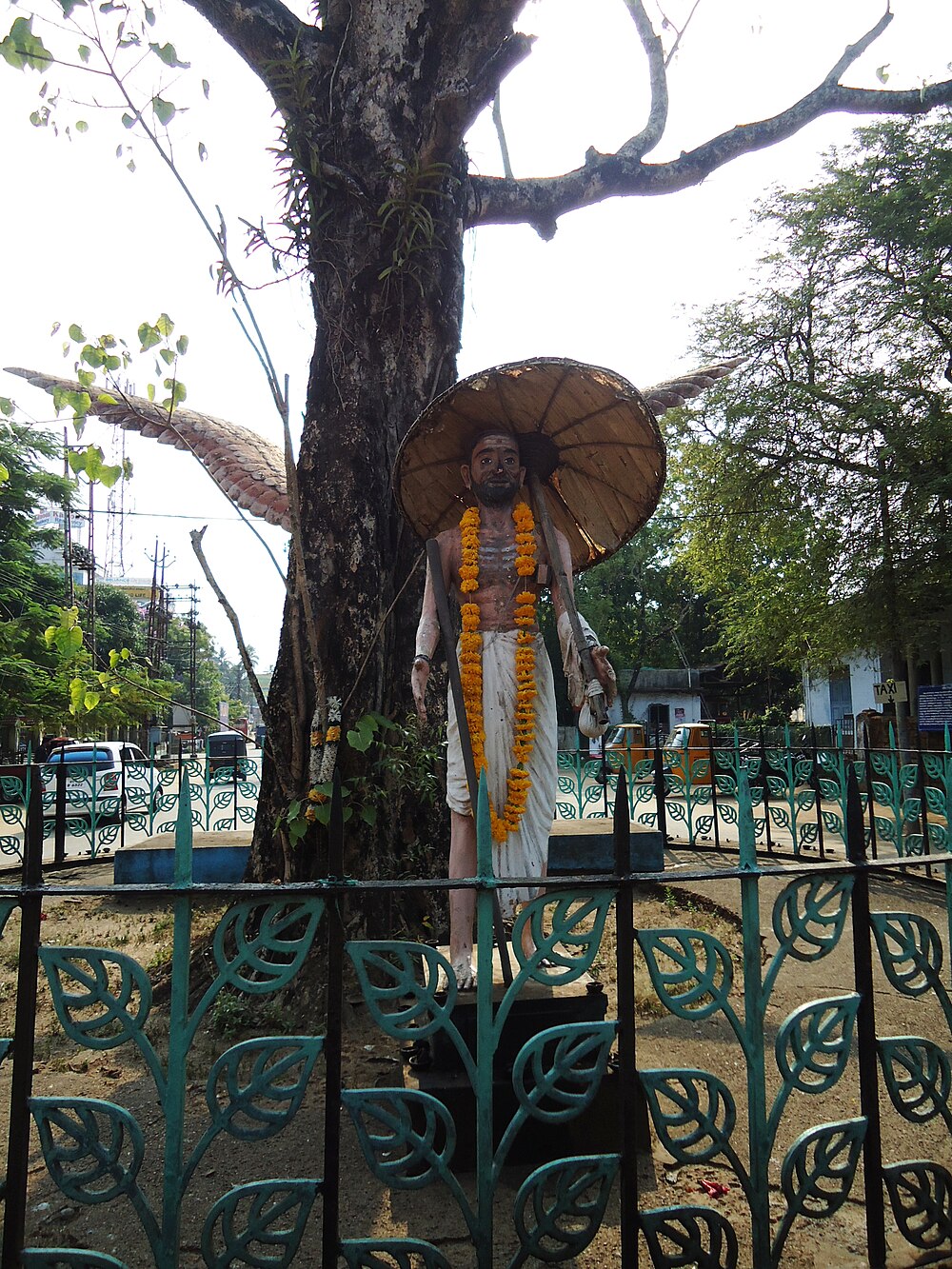
A widowed Nambūdiri woman of the sixteenth century who lived a few streets from the temple. Her maiden name was Dhatri; by marriage she was the senior lady of the Kurur illam in the village of Adatthu near Trichur. She prayed daily.
The Response
The Lord came to her, in dream and then in waking, and said: what do you want. She said: I want you to be my son. I want you not to leave me as you left Yaśodā. He said yes. He moved in. He stayed for the rest of her life.
The Teaching
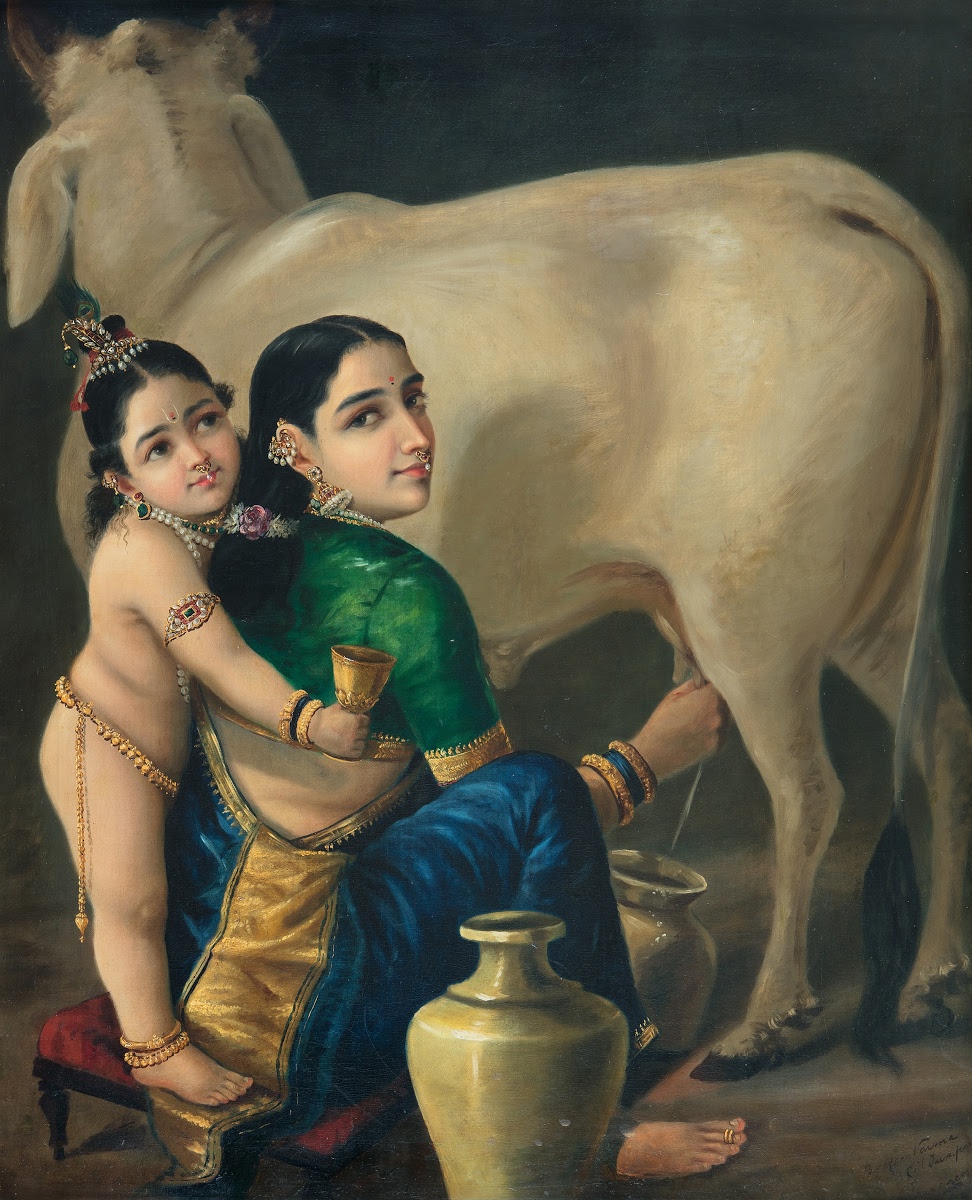
She fed him, scolded him, made his bed, made him sit through baths he did not want, made him do small chores, made him eat when he wasn't hungry. He did everything she asked. He was, by all accounts, an exhaustingly mischievous child. He hid her things. He ate ahead of meal-time. He went out without telling her where. To everyone else in the village he looked like an orphan boy she had taken in. To her he was Guruvāyurappan in a small body. When she grew old, he sat with her. When she died, the boy was no longer seen in the village. Watch what you ask for. He answers in proportion to the actual ask.
Almost nothing was written by Kurūramma. This is itself the teaching. She is the only one of the Five who left no Sanskrit śāstra, no Malayalam pāṇa, no choreographed dance-drama. She left a household, a few folk-songs, and a piece of red cloth that the temple still gives as prasāda in her memory.
Kani Kāṇum Nēram (attributed)
Malayalam folk-songThe dawn-song every Kerala child once learned, sung especially on Vishu morning. Asks the Lord to be the first thing seen on opening one's eyes. Some traditions assign authorship to Pūntānam; the bhāva is hers either way.
Lullabies and household songs
Spoken MalayalamFolk corpus. Mostly uncodified. The temple's red-cloth prasāda is, in its way, her surviving signature.
ഉണ്ണി
The kitchen as śrīkōvil
Structure
- ·There is no text to read.
- ·There is a household to imagine: a small Nambūdiri kitchen in Adatthu village, with a widow and a small mischievous boy.
- ·Whatever the Lord did there is the lesson.
Themes
- ·The highest text can be a household.
- ·Bhāva determines darśan. She did not need a god; she needed a son. He came as a son.
- ·The Lord is willing, in this kṣetra, to be domestic. Watch what you ask for.
A Verse
In the hour of the first sight,
may the lustrous form of the lotus-eyed one
shine before me.
Let me see his lifted ankle, his small foot,
before I see anything else.
From the Kani Kāṇum Nēram tradition. A mother's request that the boy come into view before anything else does, before money, before work, before sorrow.
(Kurūramma left almost no writing.)
The lesson for those of us who write too much: if Kurūramma got the closest darśan of any of the Five, and the kṣetra unanimously holds that she did, then writing is not the path. Living the bhāva is. Texts are useful crutches for those of us who need the mirror of language to know what we feel. She did not need the mirror.
He came to Kurūramma as an exhausting orphan.